At World Cup Cafe, Everyone Gets a Seat at the Table
At World Cup Cafe, Everyone Gets a Seat at the Table
July 29, 2026
Empowerment is foundational to the work Mission Waco does. Instead of giving short-term aid, empowerment focuses on providing support, job skills, and access to resources so people can build a better future with dignity, in community. It’s not just about meeting immediate needs. This type of action is about creating real, lasting change. When people are given spaces to build confidence and have a say in decisions that affect their lives, their dignity is honored. When support is provided in the context of community, solutions are more practical and more likely stick over time. Empowerment is giving people the tools to take control of their own path forward, and you can see it at work at Mission Waco's World Cup Cafe.
Whether you're craving fluffy home-style pancakes, savory breakfast tacos, or a classic BLT with fried okra, World Cup Cafe, located at 1321 N 15th St, serves classic Southern diner comfort food that will leave you with a smile and a full stomach. Designed with the interior of a small-town diner aesthetic, cheery red booths, and leather high-top swivel seats at its bar top, this small cafe is just the type of restaurant you'd expect to find in a small Texas town. World Cup Cafe offers its booths as a place to hold Bible studies or grab a quick lunch with friends. Twenty years after serving their first meal, it continues to grow with the same spirit of warmth and inclusivity for all its visitors.
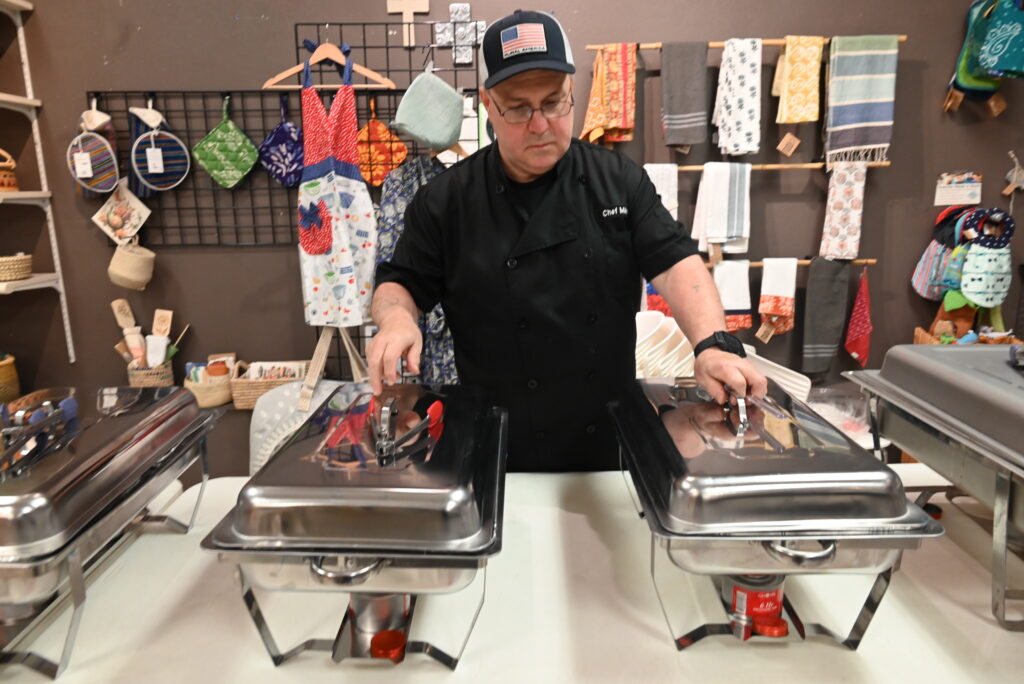
The World Cup Cafe is one of Mission Waco’s social enterprises that aim to address systematic issues surrounding poverty by creating avenues for economic empowerment to all residents of the local community. Just ten minutes from Baylor’s campus and next door to Jubilee Theatre, World Cup Cafe uses food service as a bridge to empower neighbors with jobs and community. The restaurant provides a supportive environment to individuals that may be in recovery from addiction, managing mental illness, and/or dealing with the struggles that come from a lack of previous opportunities.
Coming from a corporate background in food service, Chef Mike notices a distinct difference in workplace culture compared to his past positions. He explains, “They are all about the money; they do not teach you how to really engage with your people or to be quiet and listen to them. Some days are rough in here… but at the end of the day, I make sure everybody is okay. We love each other in here.” There is potential for this model of relational workplace environment to take hold in more local organizations, helping bridge communities separated by socioeconomic status.
Chef Mike uses his kitchen to empower each employee by teaching them skills that enable them to support themselves on their own terms. Every job has necessary training, but not everyone starts from the same place. Some people haven’t had the same opportunities to learn workplace skills, and that’s okay. What is not okay is to deny grace to someone who shows up ready to learn and work. We should be able to meet them with patience, support, and respect because growth goes both ways; "Always be humble and gentle. Be patient with each other, making allowance for each other’s faults because of your love" (Ephesians 4:2). If an individual comes with a willingness to learn, we should be able to match their effort and serve them as they are serving us.
We have the choice to build our workplaces and communities around compassion instead of judgment. What if we stopped assuming who “belongs” and started opening doors to people who’ve been left out? It could be as simple as giving someone a second chance, taking time to listen instead of rushing to an incomplete answer, or just making everyone feel welcome when they walk through the door. When we include more people, we don’t lose anything. Instead we build stronger teams, better workplaces, and a more connected community that will last.